
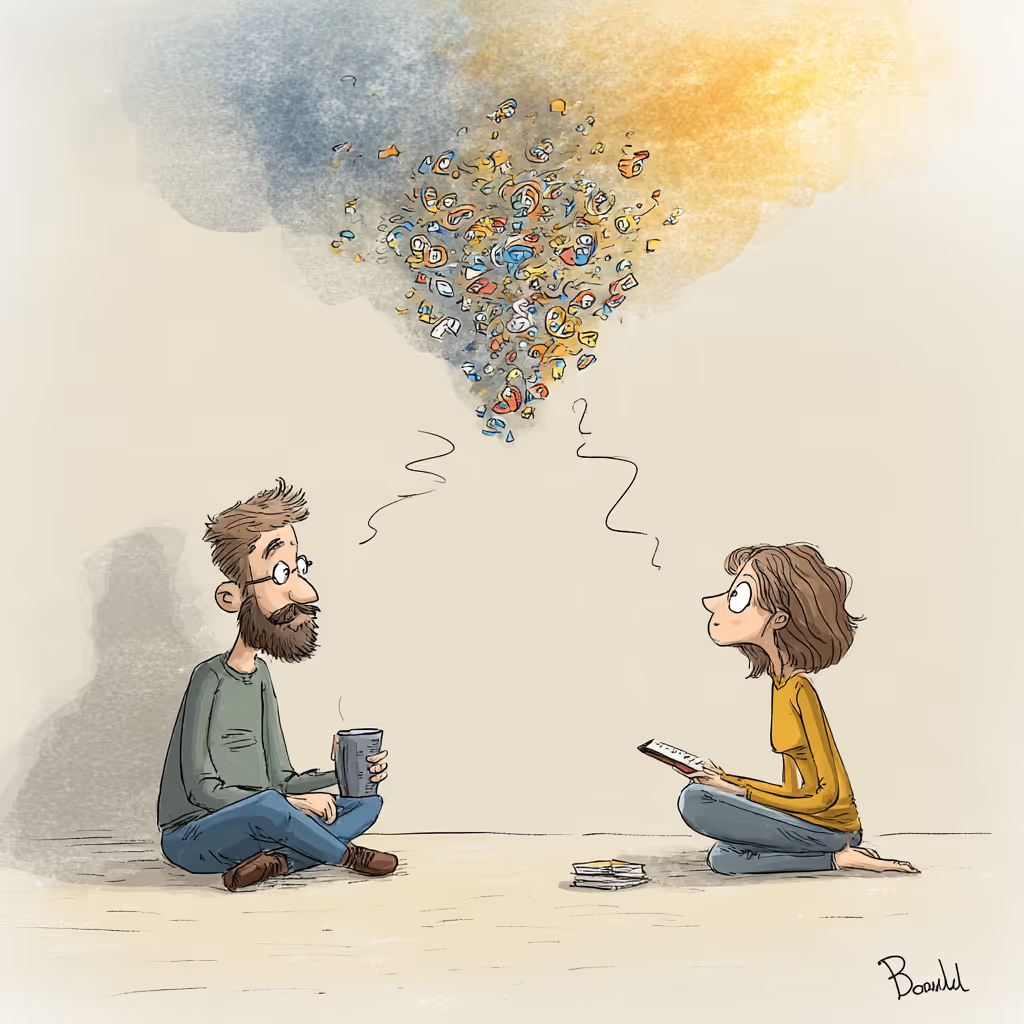
The frantic pace of modern existence often transforms our days into a series of checkboxes to be marked off as quickly as possible. We wake up already thinking about lunch, eat lunch while answering emails, and spend our evenings worrying about tomorrow’s presentation. In this relentless race against the clock, we rarely inhabit the present moment. Instead, we live in a state of perpetual anticipation, constantly planning, remembering, or reacting, while the actual experience of living slips by unnoticed.
Integrating awareness into this daily chaos does not require climbing a mountain or sitting in lotus position for hours. It is about reclaiming the small, overlooked fragments of our day and anchoring ourselves within them. By changing how we relate to the mundane, we can find a quiet center even in the middle of a storm.
The Art of Washing Dishes Without Planning Your Escape to Mars
Most of us treat household chores as obstacles standing between us and our real lives. We scrub plates with a frantic energy, our minds racing toward the next task on our infinite to-do lists. This habitual forward-leaning posture creates a subtle, constant friction in our minds. We are physically in front of the sink, but mentally, we are already answering an email or rehearsing a difficult conversation we need to have tomorrow.
To practice mindfulness here is to make a radical choice to simply wash the dishes. When you turn on the faucet, let yourself actually feel the temperature of the water as it cascades over your hands. Notice the slippery texture of the soap, the fragile weight of a ceramic mug, and the rhythmic sound of the sponge scrubbing away residue. If your mind drifts to your calendar, gently guide your focus back to the simple physical sensations of the task at hand.
This approach turns a tedious chore into a sanctuary of sensory awareness. There is nowhere else you need to be in this moment, and there is nothing else you need to accomplish. By giving the plate your full, undivided attention, you grant your overstimulated brain a rare and beautiful gift: the chance to rest in a single, uncomplicated action.
Why Your Brain Thinks a Red Traffic Light is a Personal Insult
We have all experienced the sudden spike of adrenaline that comes when a traffic light turns red just as we approach the intersection. In our hurry-up culture, any delay feels like an act of aggression by the universe. Our grip tightens on the steering wheel, our breathing becomes shallow, and we begin to mentally curse the timing of the city’s traffic management system. We treat the red light as an obstacle to our happiness.
In reality, a red light is a completely neutral event. It is merely a signal designed to prevent collisions, completely indifferent to our schedule. The suffering we feel does not come from the light itself, but from our internal resistance to the reality of having to stop.
The next time you find yourself stuck at a red light, try reframing it as a bell of mindfulness. Instead of viewing it as a delay, view it as a mandatory pause button provided by the universe. Use those few minutes to release the tension in your shoulders, take three slow, deep breaths, and look around at the world. Observe the color of the sky, the faces of the people in the cars next to you, or the way the steering wheel feels beneath your palms. By surrendering to the stop, you transform a moment of frustration into a moment of genuine peace.
Sipping Coffee Like You Actually Paid Six Dollars for It
Many of us start our mornings by pouring a cup of coffee or tea and immediately drinking it while scrolling through headlines, checking work messages, or tidying the kitchen. By the time we look down, the cup is empty, and we have absolutely no memory of how it tasted. We consumed the caffeine to fuel our productivity, but we completely missed the pleasure of the beverage itself.
Mindful consumption asks us to slow down and truly experience what we are taking into our bodies. When you take your first sip of coffee in the morning, do nothing else. Do not look at your phone, do not plan your day, and do not talk.
Just hold the warm mug in both hands and feel the heat radiating into your skin. Bring the cup to your nose and inhale the rich, dark aroma. As you take a sip, let the liquid linger on your tongue for a moment, noticing the bitterness, the sweetness, and the warmth before you swallow. By giving your full attention to this simple ritual, you step off the treadmill of productivity and anchor yourself firmly in the sensory reality of the morning.
The Inquisition of the Inner Roomba
I find that my mind is incredibly noisy and busy, and whenever I try to pay attention to the present moment, I just get bombarded by a million random thoughts. Does this mean I am simply bad at mindfulness?
This is perhaps the most common misconception about mindfulness. Many people believe that practicing mindfulness means they must completely empty their minds of all thoughts and achieve a state of blank, serene silence. When they discover that their brains are actually chaotic, noisy environments, they assume they have failed.
The truth is that the human brain is designed to produce thoughts, just as the heart is designed to beat. Expecting your mind to stop thinking is like expecting your lungs to stop breathing. The goal of mindfulness is not to stop your thoughts, but to change your relationship with them. Instead of getting swept away by every passing train of thought, you simply stand on the platform and watch them pass by. Recognizing that your mind has wandered is actually the exact moment of mindfulness. Every time you notice your brain plotting or worrying and gently bring your attention back to the present, you are successfully strengthening your mental muscles.
My life is incredibly busy with work, family responsibilities, and chores, and I do not have thirty minutes to sit quietly in meditation every day. How can I possibly practice this when I am so strapped for time?
You do not need to carve out large blocks of quiet time to live mindfully. While a dedicated sitting practice can be wonderful, informal mindfulness practiced throughout your normal routine is just as valuable.
You can integrate awareness into almost any activity you are already doing. When you shower, focus entirely on the feeling of the hot water and the scent of the soap rather than mentally planning your workday. When you walk from your car to your office building, feel the contact of your feet against the pavement and the wind on your face instead of checking your phone. When you sit down to talk with your partner or child, put away all distractions and listen to them with your full presence. These small, micro-moments of awareness do not take any extra time out of your day, yet they accumulate over time to radically transform your baseline level of stress and presence.
It seems easy to stay mindful when things are quiet and peaceful, but how do I maintain this state when I am feeling highly stressed, angry, or overwhelmed?
When strong emotions or high stress hit, trying to force yourself to feel calm is usually counterproductive and only creates more internal conflict. During these challenging moments, the practice shifts from seeking peace to cultivating non-judgmental acceptance.
Instead of fighting the stress or anger, start by turning your attention inward and noticing how the emotion is expressing itself physically in your body. You might feel a tight sensation in your chest, a hot feeling in your face, or a clenching in your jaw. Locate these physical sensations and simply breathe into them, allowing them to exist without trying to fix, change, or escape them. By focusing on the physical reality of the emotion rather than the dramatic narrative your mind is spinning about it, you take away its power to overwhelm you. You learn to ride the wave of the emotion rather than getting pulled under by the undertow.
These small anchors of presence work best alongside sturdier daily structures — see The Anchors in the Storm for how habits and routines build on this same idea, or explore the Resilience Club for structured tools to build both into your life.