
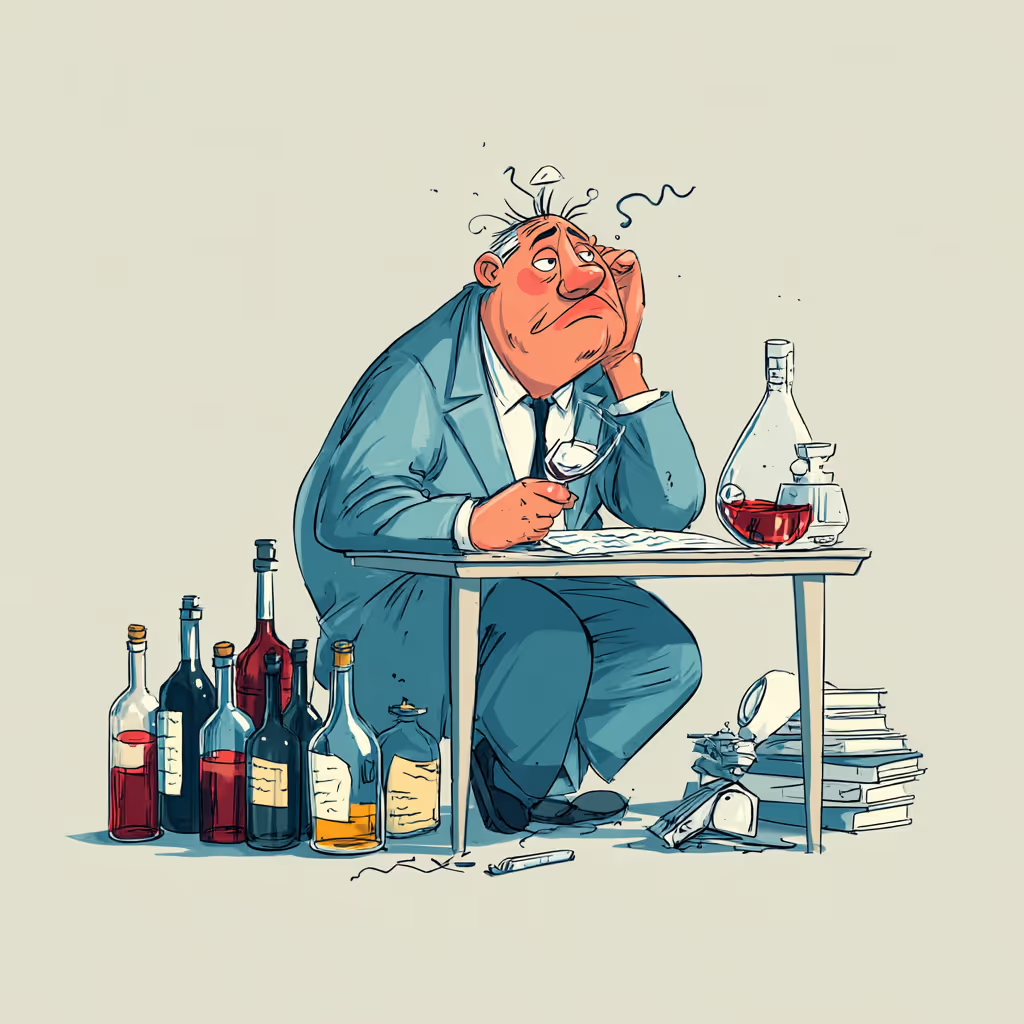
In the relentless pace of modern life, stress has become an unwelcome constant for many. From demanding careers and financial pressures to relationship woes and global uncertainties, the sources of stress are myriad and often inescapable. While our bodies are equipped to handle short bursts of stress, chronic exposure can have profound and detrimental effects on our physical and mental well-being. One particularly insidious consequence of prolonged stress is its tendency to drive individuals towards excessive alcohol consumption, creating a dangerous feedback loop that can be incredibly difficult to break.
Understanding the Stress Response and Its Impact
When faced with a stressful situation, our bodies activate the "fight or flight" response, a primal survival mechanism. This involves the release of hormones like cortisol and adrenaline, which prepare us to confront or escape perceived threats. While beneficial in acute situations, sustained activation of this system can lead to a range of negative health outcomes, including anxiety, depression, sleep disturbances, and impaired immune function. The constant state of heightened arousal and emotional discomfort can become overwhelming, prompting many to seek solace and escape through various means.
Alcohol as a False Panacea
For some, alcohol appears to offer a temporary reprieve from the relentless grip of stress. Its immediate effects, such as relaxation, reduced inhibitions, and a sense of euphoria, can feel like a welcome balm to an overtaxed mind. The initial sips might dull the sharp edges of anxiety, quiet the incessant chatter of worry, and provide a fleeting sense of calm. This perceived effectiveness, however, is a dangerous illusion. Alcohol is a central nervous system depressant, and while it may initially seem to alleviate stress, it ultimately exacerbates the very problems it purports to solve.
The Neurobiological Connection: Why We Reach for the Bottle
The link between stress and alcohol consumption is deeply rooted in our neurobiology. Chronic stress can alter brain chemistry, particularly in areas associated with reward, emotion regulation, and impulse control. The brain's natural reward system, which typically responds to pleasurable activities like eating or social interaction, can become dysregulated under stress. Alcohol, by artificially stimulating this system, can provide a powerful, albeit temporary, surge of pleasure and relief. Over time, the brain begins to associate alcohol with stress reduction, reinforcing the habit and making it increasingly difficult to cope with stress without it.
Furthermore, stress can impair the functioning of the prefrontal cortex, the part of the brain responsible for executive functions like decision-making and impulse control. This impairment can lead to a reduced ability to resist cravings and make rational choices, making individuals more susceptible to giving in to the urge to drink, even when they know it's detrimental.
The Escalation: From Coping Mechanism to Dependence
What often begins as an occasional drink to unwind after a particularly stressful day can gradually escalate into a more frequent and heavier pattern of consumption. As tolerance develops, more alcohol is needed to achieve the same desired effect, leading to increased intake. The body and mind become accustomed to alcohol's presence, and withdrawal symptoms can emerge when drinking stops, further perpetuating the cycle. This progression can quickly lead to alcohol abuse and, eventually, alcohol dependence, where the individual feels compelled to drink despite negative consequences.
The irony is that while alcohol is initially sought to alleviate stress, it ultimately becomes a significant source of stress itself. The financial burden, relationship strain, health problems, and guilt associated with excessive drinking only add to the existing stressors, creating a truly vicious and self-perpetuating cycle.
Breaking Free: Healthy Coping Strategies
Recognizing the destructive link between stress and alcohol is the first crucial step towards breaking free. Instead of turning to alcohol, individuals can cultivate a range of healthy and sustainable coping mechanisms. These include engaging in regular physical activity, which is a powerful stress reliever and mood booster. Mindfulness practices such as meditation and deep breathing can help to calm the nervous system and foster a greater sense of presence. Seeking support from friends, family, or a therapist can provide invaluable emotional outlets and guidance. Developing hobbies, pursuing creative outlets, and ensuring adequate sleep are also vital components of a robust stress management strategy.
Ultimately, addressing the root causes of stress and developing effective, non-alcoholic coping strategies is paramount. While the allure of alcohol as a quick fix for stress can be strong, understanding its deceptive nature and the long-term harm it inflicts is essential for fostering genuine well-being and breaking free from this dangerous cycle. For a closer look at why medication and substances more broadly fail to resolve work-related stress, see The Paradox of Drugs and Stress, and if you run a business, The Invisible Crisis of Entrepreneurship explains why founders are especially exposed to this kind of round-the-clock pressure. When worries keep circling in the evening, the free Worry Timer gives them a set place and time instead of a glass.